


A healthy landscape requires more than watering and mowing. Unwanted plants compete with grass, flowers, and shrubs for sunlight, nutrients, and water, which can quickly affect the appearance and health of a yard. Understanding what is weed control helps homeowners and property managers maintain cleaner and more productive landscapes.
Weed control involves a set of practices designed to prevent, suppress, or eliminate unwanted plant growth. By using proper methods and timing, weed management keeps lawns and gardens healthier while protecting surrounding plants and soil conditions.
What Is Weed Control?
Weed control refers to the process of managing unwanted plants that grow in lawns, gardens, agricultural fields, or landscaped areas. These plants are considered weeds because they interfere with the growth of desired vegetation.
Weeds often spread rapidly because they adapt well to different environments. Many produce large numbers of seeds, while others spread through roots or underground stems.
Effective weed control focuses on three main goals:
- Prevent weeds from establishing
- Reduce the spread of existing weeds
- Protect surrounding plants and soil health
When managed correctly, weed control supports stronger turf growth and healthier landscaping overall.
Why Weed Control Is Important
Weeds do more than affect the appearance of a lawn. They compete with turfgrass and garden plants for the resources needed to grow.
According to research from United States Department of Agriculture, weeds can significantly reduce plant productivity because they compete for nutrients, water, and sunlight.
Without control measures, weeds can lead to several problems:
- Weak or patchy lawns
- Reduced growth of garden plants
- Increased pest activity
- Soil nutrient depletion
Maintaining proper weed management helps ensure that desired plants receive the resources they need.
Common Types of Weeds in Lawns
To understand what is weed control, it helps to recognize the types of weeds commonly found in residential landscapes. Each type behaves differently and may require different treatment methods.
Broadleaf Weeds
Broadleaf weeds are easy to identify because they have wider leaves compared to grass. These weeds often grow quickly and spread through seeds.
Common examples include:
- Dandelions
- Clover
- Plantain
- Chickweed
Broadleaf weeds frequently appear in lawns with thin or stressed grass.
Grassy Weeds
Grassy weeds resemble turfgrass but grow in undesirable patches. They may spread quickly and compete with lawn grasses.
Examples include:
- Crabgrass
- Goosegrass
- Foxtail
These weeds often appear during warmer months when soil temperatures increase.
Perennial Weeds
Perennial weeds return every year because they grow from established root systems. Removing only the visible portion does not eliminate the plant.
Examples include:
- Bindweed
- Thistle
- Nutsedge
Controlling perennial weeds often requires multiple treatments.
How Weed Control Works
Weed control strategies focus on disrupting weed growth while supporting desirable plants. Most landscaping professionals use a combination of prevention, physical removal, and targeted treatments.
1. Prevention Methods
Preventing weeds is often the most effective approach. Healthy lawns naturally resist weed growth because dense grass blocks sunlight and limits available space.
Preventive methods include:
- Proper lawn fertilization
- Correct mowing height
- Adequate watering practices
- Overseeding thin areas
A thick and healthy lawn creates natural competition against weeds.
2. Mechanical Weed Removal
Mechanical control involves physically removing weeds from the soil. This method works best for small infestations or garden beds.
Common mechanical methods include:
- Hand pulling
- Hoeing garden beds
- Using weed removal tools
Removing weeds early prevents them from producing seeds that could spread further.
3. Mulching for Weed Prevention
Mulching helps block sunlight from reaching weed seeds in garden beds. Without sunlight, many seeds fail to germinate.
Organic mulch materials include:
- Wood chips
- Bark mulch
- Straw
- Compost
Mulch also helps retain soil moisture and improve soil quality.
4. Herbicide Applications
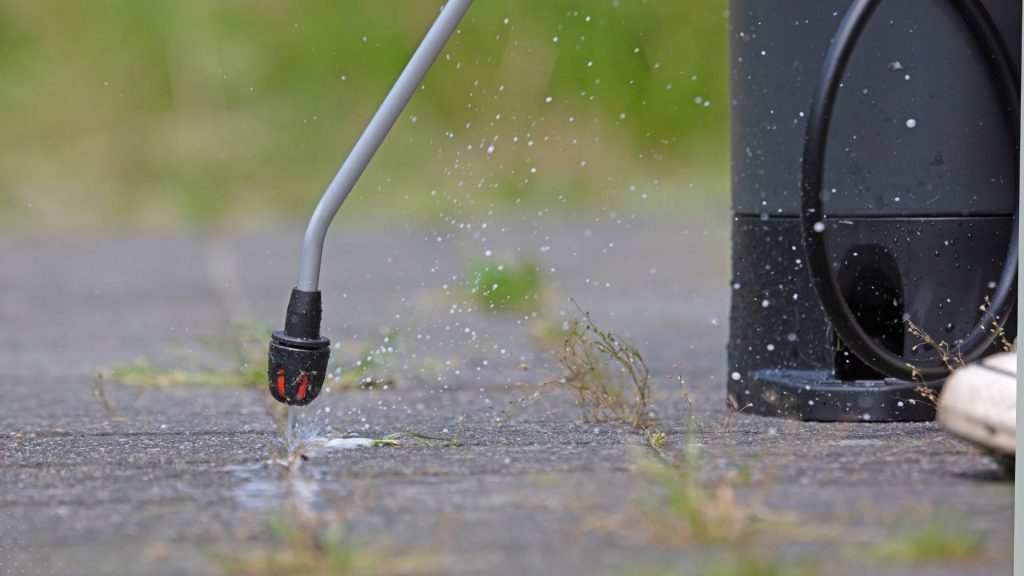
Herbicides are chemical products designed to control unwanted plants. They are commonly used in large lawns or areas where manual removal is difficult.
According to the Environmental Protection Agency, herbicides are regulated to ensure they can be used safely when applied according to label instructions.
Two common types of herbicides include:
Pre-emergent herbicides
- Prevent weed seeds from germinating
- Applied before weeds appear
- Often used in early spring
Post-emergent herbicides
- Target weeds that are already growing
- Applied directly to visible weeds
- Designed to kill or suppress weed growth
Professional landscapers often combine both methods for effective long term control.
Lawn Care Practices That Reduce Weed Growth
Many weed problems begin when lawns become stressed or unhealthy. Maintaining proper lawn care practices can reduce the chances of weed infestation.
Helpful lawn care practices include:
- Mowing grass at recommended heights
- Watering deeply but less frequently
- Aerating compacted soil
- Fertilizing based on soil needs
Healthy turf grows thick enough to crowd out many weed species.
Integrated Weed Management
Professional landscapers often follow a strategy called integrated weed management. This approach combines multiple methods rather than relying on a single solution.
Integrated weed management may include:
- Lawn health improvements
- Preventive treatments
- Mechanical removal
- Targeted herbicide applications
Using several methods together provides more reliable and long term results.
When Professional Weed Control May Be Needed
Some weed infestations become difficult to manage without professional help. Certain species spread aggressively or develop deep root systems that are hard to remove manually.
Professional weed control services may help with:
- Persistent perennial weeds
- Large lawn infestations
- Herbicide application timing
- Soil and turf health evaluation
Landscaping professionals can identify specific weed species and recommend targeted treatment strategies.
Read also: How to Take Care of Artificial Turf: Do’s and Don’ts for Homeowners
Protect Your Lawn with Effective Weed Control Solutions
Understanding what weed control is helps homeowners protect their lawns and landscapes from invasive plants that compete for valuable resources. Weed control involves a combination of prevention, removal, and targeted treatments designed to manage unwanted growth while supporting healthy turf and garden plants.
With consistent maintenance practices such as proper mowing, mulching, and timely treatments, many weed problems can be prevented before they spread. If weed growth becomes difficult to manage, working with a landscaping professional like SI Outdoor can provide effective solutions that keep your lawn healthy and well maintained throughout the year.